
Table of Contents
- The Importance of Ergonomics in Industrial Work Environments
- Understanding Industrial Ergonomics
- Manufacturing Environments
- Warehousing and Distribution Centers
- Utilities and Field Operations
- Maintenance and Skilled Trades
- The Business Impact of Industrial Ergonomics
- Building an Effective Industrial Ergonomics Program
- Partner With VSI Risk Management and Ergonomics, Inc.
Industrial work environments are essential to the global economy, supporting industries such as manufacturing, warehousing, utilities, logistics, and construction. These settings often require employees to perform physically demanding tasks including lifting, pushing, pulling, repetitive motions, overhead work, and prolonged standing or walking. While these job demands are often unavoidable, the injuries commonly associated with them are not. Implementing effective industrial ergonomics strategies is one of the most impactful ways organizations can protect their workforce, improve productivity, and reduce operational costs.
At VSI Risk Management and Ergonomics, Inc., we partner with organizations across industries to develop practical, task-specific ergonomic solutions that address real-world challenges. A well-designed ergonomics program does more than reduce injuries — it improves efficiency, quality, and employee engagement.
Understanding Industrial Ergonomics
Industrial ergonomics focuses on designing jobs, tools, equipment, and workflows to better fit the physical capabilities of the worker. Common ergonomic risk factors in industrial environments include forceful exertions, awkward or sustained postures, repetition, vibration, and contact stress. Over time, exposure to these risks can lead to musculoskeletal disorders (MSDs) such as low-back injuries, shoulder strains, tendonitis, and nerve compression disorders.
MSDs continue to be one of the leading causes of lost workdays and workers’ compensation claims in industrial settings. Without a proactive ergonomics strategy, organizations often find themselves responding to injuries rather than preventing them.
Manufacturing Environments
In manufacturing facilities, employees may work on assembly lines, operate machinery, or perform manual material handling tasks throughout long shifts. Common ergonomic challenges include repetitive motions, awkward reaches, static postures, and forceful gripping of tools.
Ergonomic solutions may include:
- Adjustable workstations that allow tasks to be performed at optimal heights
- Tool redesign to reduce grip force and wrist deviation
- Job rotation programs to limit repetitive strain
- Automation or mechanical assists for heavy or repetitive lifting
These improvements help reduce fatigue, improve product quality, and support consistent production output.
Warehousing and Distribution Centers
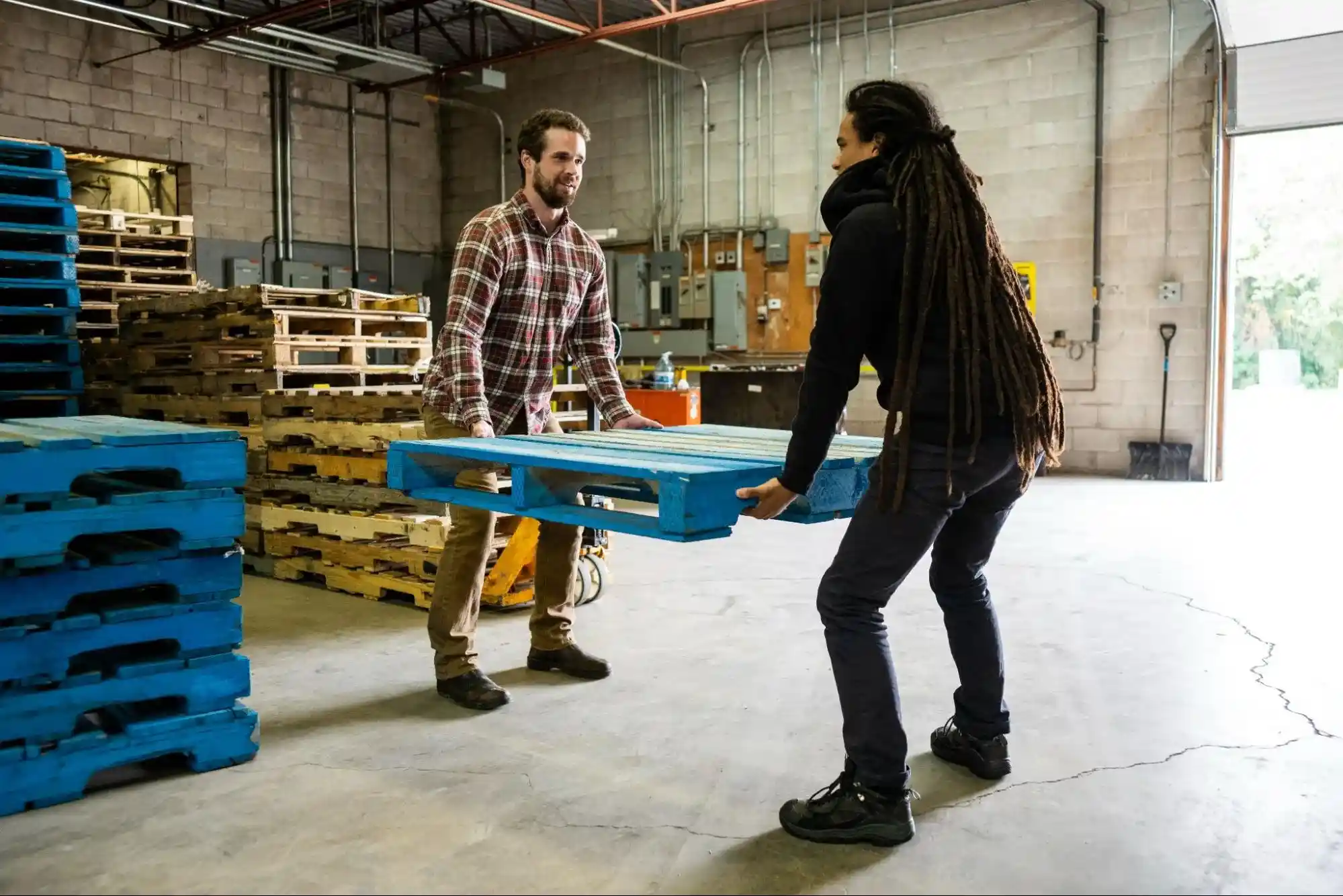
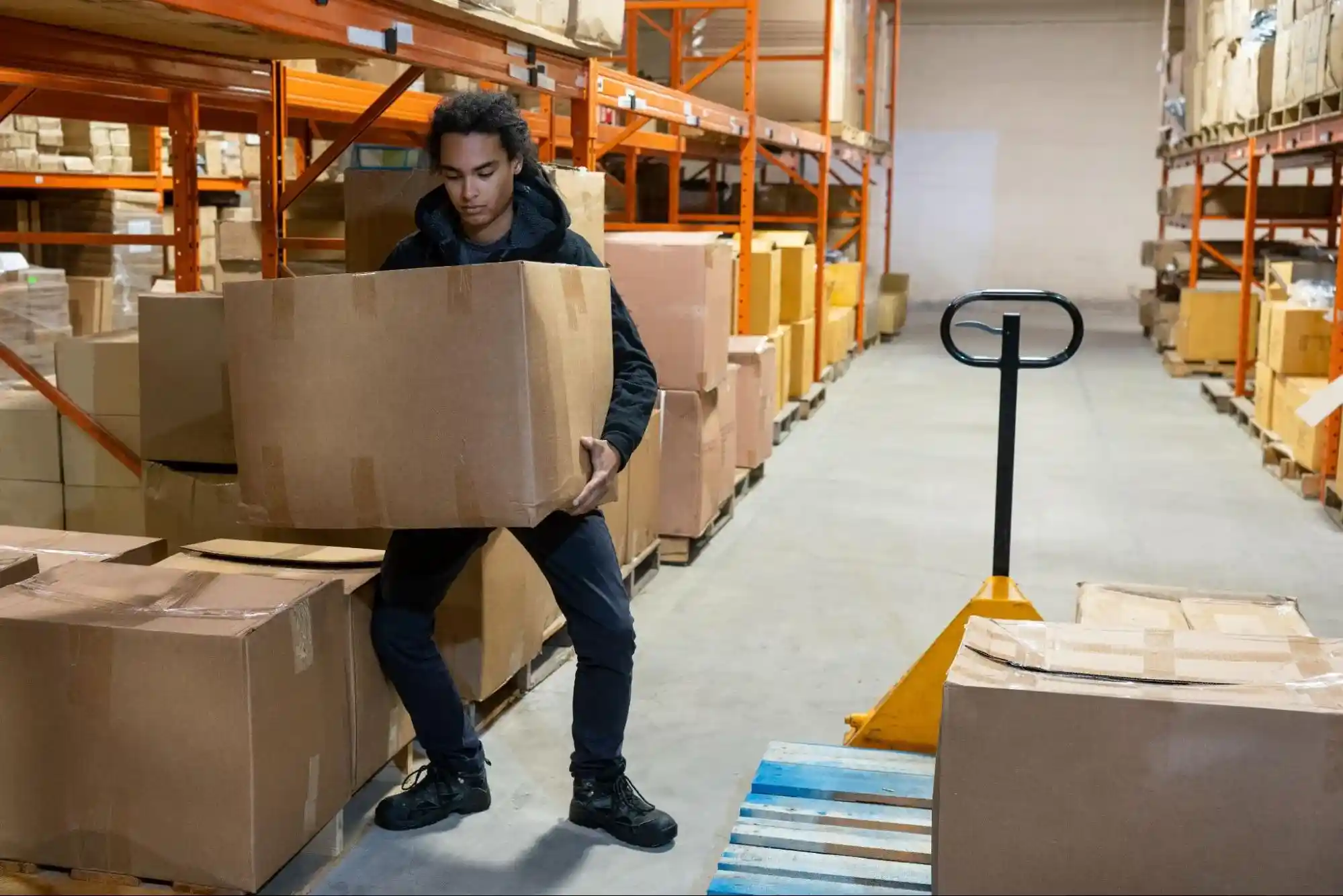
Warehousing environments often involve high-volume lifting, carrying, pushing carts, palletizing, and order picking. Employees frequently work under time pressure, increasing injury risk when ergonomic principles are not applied.
Effective ergonomic interventions include:
- Lift-assist devices and pallet positioners
- Redesigning pick locations to minimize bending and reaching
- Improving cart and pallet jack design to reduce push/pull forces
- Training employees on safe material handling techniques
By addressing these risks, organizations can significantly reduce back and shoulder injuries while improving order fulfillment efficiency.
Utilities and Field Operations
Utility workers often perform physically demanding tasks in unpredictable environments, such as working in trenches, climbing, handling heavy tools, or performing overhead work. These jobs present unique ergonomic challenges due to environmental exposure and variable task demands.
Ergonomic strategies for utilities may include:
- Tool and equipment selection to reduce weight and vibration
- Improved work-rest cycles to manage fatigue
- Task planning to minimize sustained awkward postures
- Vehicle and equipment cab ergonomic assessments
These solutions help protect workers in the field while supporting long-term health and job longevity.
Maintenance and Skilled Trades
Maintenance technicians and skilled tradespeople frequently work in constrained spaces, perform overhead tasks, and use forceful tools. Without ergonomic consideration, these tasks place significant stress on the shoulders, back, and upper extremities.
Ergonomic improvements can include:
- Adjustable platforms and lifts to reduce overhead reaching
- Tool balancers and counterweights
- Improved access to equipment to limit awkward postures
- Training on task-specific ergonomic best practices
The Business Impact of Industrial Ergonomics
Beyond injury reduction, ergonomics has a direct impact on productivity and operational efficiency. When work is designed to fit the worker, employees can perform tasks with less effort, fewer errors, and greater consistency. This leads to reduced downtime, improved quality, and stronger employee engagement.
A strong ergonomics program also supports compliance efforts and strengthens overall safety culture. When employees see that management invests in their wellbeing, trust and participation in safety initiatives increase.
Building an Effective Industrial Ergonomics Program
At VSI Risk Management and Ergonomics, Inc., we help organizations implement sustainable ergonomics programs that include:
- Leadership commitment and employee involvement
- Task-based ergonomic risk assessments
- Engineering and administrative controls
- Employee and supervisor training
- Early intervention and discomfort reporting
- Continuous program evaluation and improvement
Our approach ensures ergonomic solutions are practical, cost-effective, and aligned with operational goals.
Partner With VSI Risk Management and Ergonomics, Inc.
Industrial ergonomics is not a one-time fix — it is an ongoing investment in your workforce and your business. With decades of experience across manufacturing, warehousing, utilities, and other industrial environments, VSI Risk Management and Ergonomics, Inc. delivers expert guidance and measurable results.
To learn how an industrial ergonomics program can reduce injuries, improve productivity, and support your workforce, visit www.vsi-consulting.com.